Eight by Eight: The Ancient Board That Accidentally Became the Internet's Perfect Game
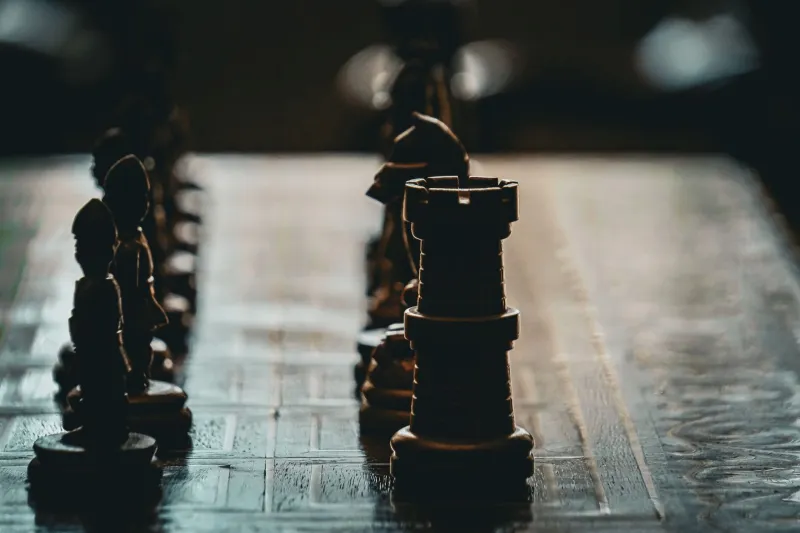
There's a moment in every chess boom retrospective where someone points out the obvious: a game invented over a thousand years ago should not be outperforming modern battle royales on streaming platforms. And yet here we are. Chess regularly pulls six-figure concurrent viewers on Twitch, the PogChamps tournament series turned internet personalities into (bad) competitive players, and the FIDE World Championship gets treated like a boxing match — because sometimes it literally is one.
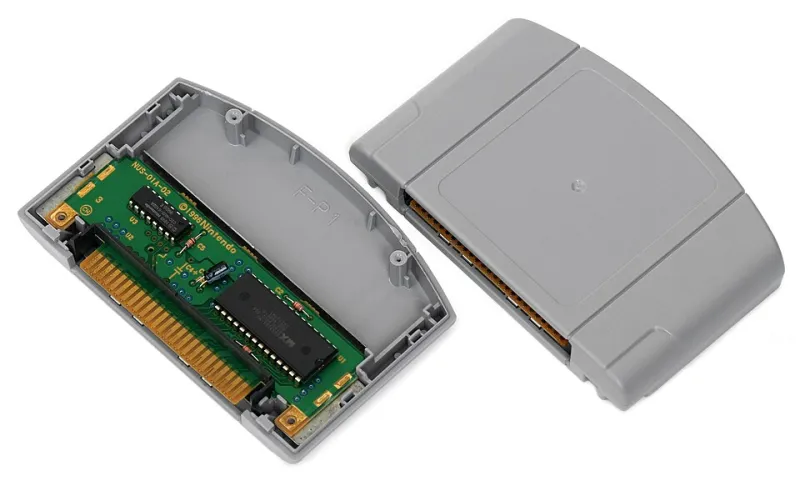
For a site that literally named itself after the number 64, this was inevitable territory. The N64 gave us one kind of sixty-four. Chess gave us the other: sixty-four squares, arranged in an eight-by-eight grid, holding more possible game states than there are atoms in the observable universe. Gen-Z didn't discover chess. They decoded it — and then made it entertainment.
The Streamer Effect Was the Trojan Horse
The modern chess wave didn't start with a tournament. It started with personalities. When the pandemic emptied out every other form of live entertainment, streamers like Hikaru Nakamura and the Botez sisters turned blitz chess into something closer to a talk show with a board in the frame. The moves mattered, but the reactions mattered more.
This is the part traditional chess media never understood: young audiences weren't watching to learn theory. They were watching the way you'd watch a friend play a ranked match — for the energy, the trash talk, the tilt. Chess just happened to be the game with infinite replayability and zero download size. No patch notes. No season pass. The meta has been updating for 1,500 years and nobody can paywall it.
Chess Boxing and the Rise of Strategy as a Spectator Sport
Then came the crossover era. Chess boxing — alternating rounds of boxing and speed chess, won by checkmate or knockout — went from a weird Berlin art project to a genuinely sold-out live event in Los Angeles, with Ludwig Ahnberg-tier creators headlining the cards. Meanwhile, the Botez Gambit (losing your queen and laughing about it) became a meme that crossed over into mainstream sports commentary.
Fashion got involved too. Chess pieces started showing up in campaign imagery, streetwear drops, and runway sets — the board became a visual shorthand for strategy, intelligence, and a certain calculating cool. When a luxury brand shoots a lookbook around a chessboard, that's not about the game. That's about what the game signals.
Why the Oldest Game Fits the Newest Audience
So why this game, why now? A few theories worth taking seriously:
- It's free-to-play in the truest sense. A board costs nothing, Chess.com and Lichess are free, and the skill ceiling is effectively infinite.
- It's perfectly clip-able. A brilliant move, a flag in a 10-second blitz scramble, a mouse-slip disaster — chess generates highlights the same way esports does, without needing any context.
- It's offline-proof. No servers, no matchmaking queues, no microtransactions. In an era of live-service fatigue, a game that can't be shut down has a strange kind of appeal.
- It's a status language. Knowing the Sicilian Defense or spotting a fork functions like knowing a cheat code — insider fluency that separates players from spectators.
That last one is the real story. Chess rewards the same thing every subculture on the internet rewards: learning the language. Once you can read the board, an entire layer of content unlocks — the puzzles, the opening traps, the drama, the history. The game becomes a feed you can scroll forever.
The Grid That Keeps Giving
There's a reason the eight-by-eight grid keeps showing up everywhere from fashion editorials to roguelike level design. It's the simplest possible structure that supports near-infinite complexity — the same design insight that made the 64-bit era feel like a generational leap. Small frame, enormous space inside.
Chess didn't need a reboot, a remaster, or a comeback tour. It just needed a generation fluent enough in internet culture to realize that the oldest strategy game ever made is also, quietly, the best one. The squares were always there. Everyone else just finally learned how to read them.