Attic Archaeology: The Five-Minute Test That Separates a $40 Console From a $4,000 One
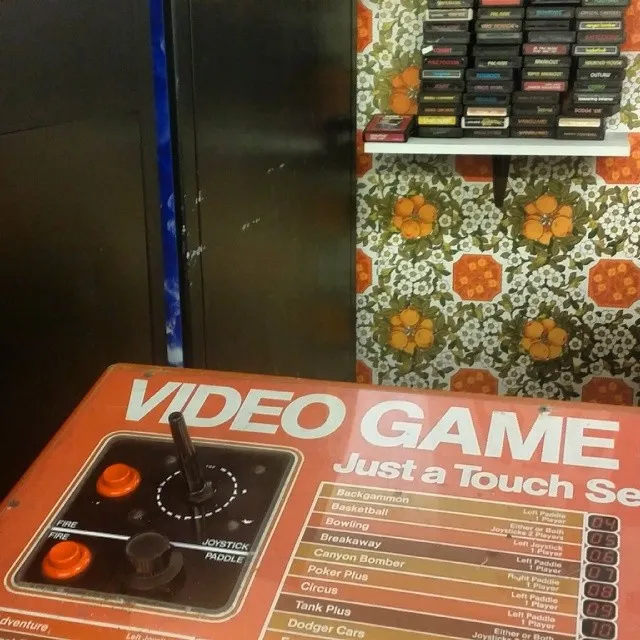
Photo: j bizzie from MINNEAPOLIS, USA, CC BY 2.0, via Wikimedia Commons
Every weekend, somewhere in America, a folding table at a flea market holds a gray plastic box with a price tag that says $15. Sometimes that box is worth exactly $15. Sometimes it's worth more than a used car. The difference between the two is a set of small details most people walk right past — and once you learn to see them, you can't unsee them.
This is the decoder ring for attic archaeology.
The 30-Second Triage
Before you get romantic, get systematic. Ninety percent of the value in retro hardware comes down to three questions:
- What is it, exactly? Model numbers matter more than brand names. That "old Nintendo" might be a top-loader NES-101, which commands a serious premium over the common front-loader.
- Is it complete? Original boxes, inserts, manuals, and controllers can triple a console's value. Collectors call a bare console "loose," and loose is where bargains die.
- Does it work? Or more importantly — can it be made to work? Dead capacitors are repairable. Cracked motherboards are not.
Snap a photo of the model number sticker (usually on the bottom) and check sold listings on eBay — not active listings, sold listings. Active prices are wishes. Sold prices are facts.
Serial Numbers: The Part Everyone Ignores
Here's where it gets interesting. Serial numbers aren't just inventory — they're timestamps and regional fingerprints.
- Early production runs of certain consoles (check the first digits against collector wikis like ConsoleMods or the N64 Forever database) can indicate launch-window hardware, which collectors pay extra for.
- Regional variants are the big one. A Sega Saturn model 1 with the original Hi-Saturn internals, or a Japanese-only Sharp Nintendo Television — these are the lottery tickets hiding in plain sight.
- Matching serials between console and original box add authentication value. Mismatched pairs suggest a Frankensteined unit.
The Cartridge Counterfeit Wave
Now for the bad news: the fake game market has gotten frighteningly good. Reproduction cartridges for titles like Pokémon Emerald, Harvest Moon: Friends of Mineral Town, and anything with "Panasonic Q" energy are flooding eBay, Etsy, and flea market bins nationwide.
Quick tells for Game Boy Advance fakes:
- The label. Genuine labels have a subtle metallic sheen and crisp printing. Fakes often look slightly glossy or the text sits a hair off-center.
- The shell. Real GBA carts have an embossed number molded into the plastic near the top. Fakes frequently skip it.
- The screws. Nintendo used proprietary tri-wing screws. Phillips-head screws on a "Nintendo" cart is a confession.
For N64 and SNES, open the cart if the seller allows it. Authentic boards are densely populated with components; bootlegs look sparse and cheap, like a circuit board drawn from memory.
The Sleeper Hits Nobody Checks
While everyone hunts Mario and Zelda, these fly under the radar:
- Retro handhelds and plug-and-plays — even oddball ones like the Virtual Boy (broken ones too; parts have value)
- Regional oddities — anything with a non-US label, a weird power supply, or a name you can't pronounce
- Accessories nobody wants — the NES Four Score, the Sega Activator, the N64 Transfer Pak. Weird gear is scarce gear.
- Games with the box — loose carts are common; boxed, complete copies with the manual and registration card are not
The Golden Rule of the Hunt
Condition narratives sell, but condition facts price. Yellowed plastic can be de-yellowed (retrobrighting is a whole hobby), but a corroded battery contact inside a game that saved your childhood save file? That's the kind of damage that quietly kills value.
So next time you're at a yard sale in Ohio or an estate sale in Florida and see a plastic box full of tangled controllers, don't walk past. Pull out your phone, check the model number, and check the sold listings.
The attic is full of treasure. It's just wearing a very good disguise.